
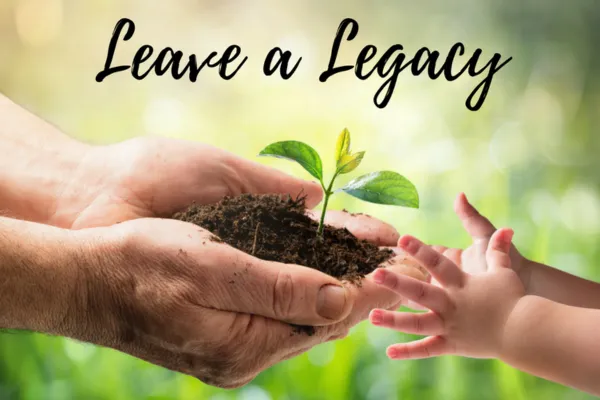
Legacy and Letting Go: Honoring Life, Loss, and What We Leave Behind
What does it mean to leave a legacy?
When we think of legacy, we often picture something big—donating a building, writing a book, making headlines. But most legacies aren’t loud or public. They’re quiet, personal, deeply human. They live in stories, recipes, laughter, the way someone made us feel loved.
Legacy is not just what we leave behind after we pass. It’s how we live while we’re here—and how we help others remember when we’re gone.
This blog is for anyone facing the end of life—whether personally, as a caregiver, or someone preparing to say goodbye. Let’s talk about legacy, meaning-making, and how we can honor life’s transitions with grace.
End-of-Life Care: Comfort, Dignity, and Connection
End-of-life care isn’t just about medicine—it’s about quality of life in its final chapter. Whether someone is in hospice, at home, or in a care facility, the goal is to:
Manage pain and symptoms
Provide emotional and spiritual support
Preserve dignity and choice
Compassionate end-of-life care also allows space for meaning. It gives people time to say what matters most: “I love you,” “I’m proud of you,” “I forgive you,” or “Thank you.”
🌿 Real-life moment:
Maria’s grandfather was in hospice for the last two weeks of his life. During that time, the family gathered daily—not to mourn, but to celebrate him. They told stories, played his favorite music, and helped him record a short voice message for each grandchild.
“Those messages are now part of our family’s legacy,” Maria says. “They’ll be passed down just like his old recipes.”
Meaning-Making at the End of Life
Facing the end of life often brings up big questions:
Did my life matter?
What will people remember about me?
Is there anything left unsaid?
This is the time to make meaning—not through grand gestures, but through reflection, connection, and sharing your story. Some ways to do this include:
Writing letters or recording messages to loved ones
Creating memory boxes with meaningful items
Organizing photos or writing captions on family albums
Sharing life lessons or stories with younger generations
Passing on traditions, spiritual beliefs, or wisdom
Hospice and palliative care teams often include chaplains, counselors, and volunteers trained to help with legacy work. This can bring deep peace—not only to the person nearing the end of life, but to everyone who loves them.
Remembrance and Ritual: Honoring What Was
Grief doesn’t end after the funeral. And remembrance isn’t just about pain—it’s about connection. It’s how we continue to love someone even after they’re gone.
Ways to remember:
Light a candle on birthdays or anniversaries
Cook their favorite meal
Create an altar or space with photos and keepsakes
Write them a letter when you miss them
Tell their stories to the next generation
✍️ Relatable idea:
Javier lost his sister unexpectedly. Every year on her birthday, he gathers with family to make her favorite lemon cake. They laugh, cry, and share memories.
“It helps us feel like she’s still part of us,” he says.
Grief and remembrance live side by side. One day, the pain softens, and you’re left with the love that remains.
Honoring Life Transitions — Even the Hard Ones
Not all goodbyes come with closure. Some losses are sudden. Others happen slowly, through illness or dementia. But every ending deserves honoring, no matter how it unfolds.
Honoring a life might mean:
Speaking a few words of thanks when someone dies
Planting a tree in their memory
Finishing a creative project they left behind
Carrying their values forward in your own life
If you’re supporting someone who is dying, know that your presence matters. Even if they can’t respond, your voice, touch, and love offer comfort.
And if you’re the one preparing to say goodbye, know this: your life has meaning. Your story matters. And what you leave behind can continue to light the way for others.
Final Reflections: Legacy Is Love, Made Visible
You don’t need to do something “big” to leave a meaningful legacy.
You already have.
Your kindness.
Your laughter.
The recipes you shared.
The lessons you taught.
The time you made someone feel safe, or seen, or understood.
That is legacy. And it lasts.
So whether you’re facing loss, walking someone home, or preparing for your own final chapter—hold onto this truth: Love lives on.
Resources & Sources
National Hospice and Palliative Care Organization – End-of-Life Planning and Grief Support
https://www.nhpco.orgThe Conversation Project – Helping People Talk About End-of-Life Wishes
https://theconversationproject.orgHospice Foundation of America – Meaning-Making and Grief Resources
https://hospicefoundation.orgCenter for Loss & Life Transition – Legacy and Remembrance Tools
https://www.centerforloss.comAging with Dignity – Five Wishes Advance Care Planning
https://fivewishes.org


