
From Stress to Strength: Healing Caregivers with Animals and Equine Support in South Texas
The Quiet Crisis of Caregiver Burnout
In many Rio Grande Valley households, it’s not unusual for three—or even four—generations to live under one roof. While this family closeness is rooted in deep cultural values, it can also create overwhelming pressure, especially for the primary caregiver. Balancing the needs of aging parents, children, work, and finances can leave you emotionally and physically drained.
Caregiver burnout isn’t just about exhaustion—it can lead to anxiety, depression, resentment, and a sense of isolation. Many caregivers feel like they’ve lost their own identity in the process of caring for everyone else.
But there’s hope—and sometimes, it has four legs and a tail.
How Animal Therapy Offers Emotional Relief
Animal-assisted therapy is more than just spending time with pets. It's a therapeutic practice backed by research that shows animals can:
Lower blood pressure and cortisol (a stress hormone)
Increase oxytocin (the “feel-good” hormone)
Reduce feelings of loneliness and depression
Provide emotional regulation and comfort through touch, presence, and routine
Even just cuddling a dog or playing with a cat can create a moment of peace and joy. But for those struggling with deeper emotional fatigue, equine therapy offers even more transformative benefits.
Why Horses? The Power of Equine Therapy
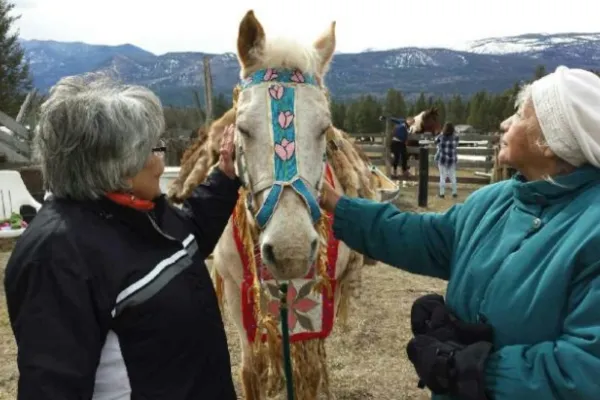
Horses are incredibly intuitive animals. They respond to our emotions without judgment, making them ideal partners in healing. Equine-Assisted Services—including Equine-Assisted Learning (EAL), therapy, and education—can help caregivers reconnect with themselves through:
Presence and mindfulness: Horses require calm, focused attention, naturally bringing people into the moment.
Non-verbal communication: Many caregivers suppress emotions. Horses respond to body language and energy, offering a mirror to internal states.
Confidence building: Grooming, leading, or simply being with a horse can restore a sense of competence and empowerment.
Emotional release: Being in nature and interacting with such large, gentle beings allows for profound emotional breakthroughs.
Research from the Journal of Creativity in Mental Health and other publications shows equine therapy can improve mood, reduce anxiety, and help people manage stress more effectively—especially those in high-stress roles like caregiving.
Unique Stressors in the Rio Grande Valley
Caregivers in South Texas face challenges that are often overlooked:
1. Financial Strain
Many families in the Rio Grande Valley live at or below the poverty line. With limited access to paid care or time off from work, caregivers often take on unpaid labor that stretches them thin.
2. Cultural Expectations
There’s a strong cultural emphasis on caring for elders and extended family. While rooted in love and respect, this can also make it hard to set boundaries or ask for help without guilt.
3. Language and Access Barriers
Some caregivers face difficulties accessing healthcare or mental health support due to language, transportation, or lack of local resources.
4. Emotional Isolation
Even in large families, caregivers often carry invisible emotional burdens alone. They may suppress their own needs to keep the peace or uphold family roles.
This is where animal therapy becomes more than a luxury—it becomes a lifeline.
Healing in Community: A Stable Learning
If you're in the Rio Grande Valley and you're longing for relief, connection, or just a place to breathe—you're not alone. At A Stable Learning, we offer a safe, welcoming space for caregivers, families, and individuals to reconnect with themselves and others.
Here’s what we provide:
Equine-Facilitated Education and Healing
Connect with horses in grounded, empowering ways—no experience necessary.Volunteer Days
Come lend a hand, get outdoors, and build friendships with others walking a similar path.Workshops and Classes for the Soul and Body
Explore healing through:Art and creativity
Somatic healing and energy work
Yoga and meditation
Horseback riding, fitness, and dance
This isn’t just about therapy—it’s about creating a lifestyle of wellness, support, and joy.
What You Can Do Today
Start small: Take 5 minutes to sit with your pet or take a mindful walk outside. Notice how you feel.
Reach out: Contact local animal-assisted therapy programs, or visit A Stable Learning for upcoming events.
Give yourself permission: You can’t pour from an empty cup. Taking time for your own healing is not selfish—it’s essential.
Final Thoughts: You Deserve to Be Cared For, Too
Caregiving can be both beautiful and brutally exhausting. But healing is possible—and you don’t have to do it alone. Whether it’s brushing a horse, hugging a dog, or finding your breath in a yoga class, small moments of connection can lead to big changes.
Let the animals remind you: you are worthy of care, rest, and joy.
🌿 Join Us at A Stable Learning
Come visit us, volunteer, or take a class. Click here to learn more. Your healing journey might just begin with a hoofbeat.
References
Pendry, P., & Roeter, S. (2013). Equine-Facilitated Learning Promotes Emotional Regulation. Journal of Creativity in Mental Health.
National Institutes of Health. Therapeutic Effects of Animals on Mental Health.
American Psychological Association. Caregiver Stress: Tips for Taking Care of Yourself.


